What it is
Warm herbal oil, exactly where it is needed
Potli and basti are traditional Ayurvedic oil therapies that work on one area at a time. In a potli session, warm cloth bundles filled with herbs are pressed and rolled over stiff muscles. In a basti session, a ring of dough is placed over the lower back, neck or knee and filled with warm medicated oil, which is held there for a set time.
Both are gentle and soothing, with no medicines to swallow and nothing invasive. The focus is simple: steady warmth and oil on the area that has been stiff or sore for a long time.
We offer these as individual, local therapies rather than a full panchakarma programme. They are often combined with acupressure or cupping when the back, neck or knee needs a little more help to loosen.
Ask about potli & basti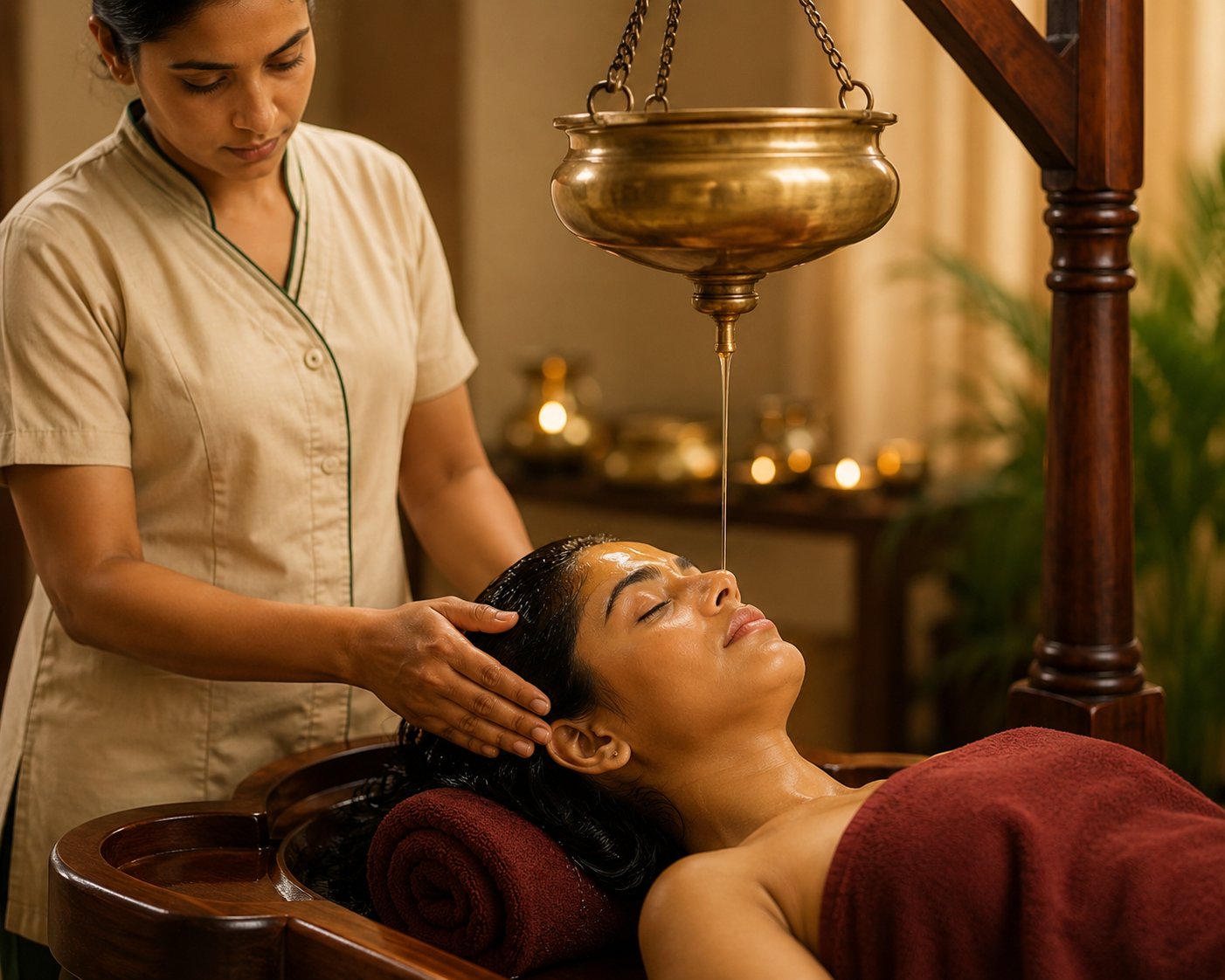
How a session runs
Three calm steps, every time
Nothing is applied until we have understood where the stiffness is coming from.
Assessment
Free first consultation
We ask about your pain, your health history and any medicines you take, and check the area, so we can choose the right therapy and oil.
The therapy
Potli or basti
You lie comfortably in a private room. The warmth is checked on your skin first and adjusted throughout, so it feels soothing, never too hot.
Rest & aftercare
Simple home advice
The oil is wiped away and you rest for a few minutes. You leave with easy aftercare advice and an honest view of whether more sessions make sense.
What we offer
Ayurvedic oil therapies at our Noida center
Which one suits you depends on where the stiffness sits. We suggest it after the assessment.
Available now
Four focused therapies, each working on one area with warmth and medicated oil.
Herbal oil potli
Pinda sweda
Warm cloth bundles of herbs, dipped in medicated oil and pressed rhythmically over the back, shoulders or joints to ease muscular stiffness.
Lower back
Kati basti
Warm oil held over the lower back in a dough ring. One of our most requested therapies for long-standing lower back stiffness.
Knee joint
Janu basti
Warm oil pooled over the knee. Chosen for knee stiffness, morning discomfort and knees that feel tight after long walks or stairs.
Neck & cervical
Griva basti
Warm oil held over the back of the neck. Often chosen for cervical stiffness, desk-related neck pain and tension across the shoulders.
Coming soon
Starting at our center shortly. Ask us on WhatsApp for the first available dates.
Oil poured on the forehead Coming soon
Shirodhara
A slow, steady stream of warm oil across the forehead while you rest. A deeply calming therapy, often chosen for stress and restless sleep.
Who it may help
When people choose potli & basti
These therapies may help ease the complaints below. Results vary from person to person, and they work alongside medical care, not in place of it.
Practical details
Duration, aftercare and precautions
Tell us before your session if
You are pregnant, have a fever or feel unwell, have broken skin, a rash or an infection over the area, a recent injury, fracture or surgery there, varicose veins, reduced sensation to heat (for example from diabetes), or a known allergy to herbal oils.
These therapies are gentle, but we always check first. We work alongside your doctor's treatment and never ask anyone to stop prescribed medicine. If your condition needs a specialist, we will tell you honestly.
Common questions
Potli & basti therapy: your questions
Kati basti is a traditional Ayurvedic therapy for the lower back. A ring made of dough is placed on the lower back and filled with warm medicated oil, which is held there and gently re-warmed for a set time. Janu basti does the same for the knee, and griva basti for the neck.
It should feel comfortably warm, never hot. We test the oil and the potli on your skin before starting and keep checking during the session. Tell us at any moment if you would like it cooler.
No. Panchakarma is a multi-day Ayurvedic programme. At Avni Wellness Center we offer individual, local oil therapies: potli, kati basti, janu basti and griva basti. They need no special diet or time off, and fit easily into a normal day.
It depends on how long the stiffness has been there and how your body responds. Some people come for a few sessions, others combine basti with acupressure or cupping over a short course. You get an honest suggestion after the first assessment, not a package sold upfront.
Shirodhara is coming soon to our center. Message us on WhatsApp at 93116 93955 and we will let you know the first available dates.
Avni Wellness Center is at Ground Floor, D-14, D Block, Baraula, Sector 49, Noida, Uttar Pradesh 201304, easily reachable from Sector 50, Sector 51, Sector 47 and nearby areas. We are open 7 days a week, 9:30 AM to 8 PM.
Also at our center
Therapies that pair well with basti
Acupressure therapy
Firm pressure on specific points to release muscle tension in the back, neck and shoulders.
Learn moreCupping therapy
Gentle suction to loosen deep stiffness in the back and shoulders.
Learn moreAcupuncture therapy
Fine sterile needles for long-standing back pain, sciatica and neck stiffness.
Learn moreBook a potli or basti session
Ground Floor, D-14, D Block, Baraula, Sector 49, Noida. Open 7 days, 9:30 AM to 8 PM. Your first consultation is free. Message us and we will keep a slot for you.